Vinyl vs Wood Fence: Which Is Right for Your Winchester Home
Vinyl or wood is the question we hear most from Winchester homeowners, and for good reason. Both materials build a beautiful privacy fence, both handle Virginia weather, and both have loyal fans who will tell you the other choice is a mistake.
The truth is less dramatic. Each material wins in different categories, and the right pick depends on your budget, your patience for maintenance, and how long you plan to stay in the house. Here is the honest comparison.
Is a vinyl or wood fence better for a Winchester home?
Wood costs less on installation day and delivers a classic look, but it asks for cleaning and restaining every few years. Vinyl costs more up front and then asks for almost nothing beyond an occasional rinse for decades. If you want the lowest price now, choose wood. If you want the lowest effort for the next twenty five years, choose vinyl.
That is the short version. The longer version is worth reading before you spend several thousand dollars, because lifetime cost and daily upkeep tell a different story than the initial quote.
Cost: up front versus over time
In the Winchester area, a wood privacy fence typically runs $25 to $50 per linear foot installed, while comparable vinyl lands around $30 to $60. On a 150 foot yard, that gap can mean a couple thousand dollars, which is why wood remains the default for tight budgets. As always, prices vary with height, style, terrain, and material markets, so use these as planning numbers.
The math shifts over a longer horizon. A wood fence wants stain or sealer every two to three years, which means either weekend labor and supplies or a few hundred dollars per cycle for a pro. Across fifteen years, those cycles can erase most of vinyl’s up front premium. Vinyl’s ongoing cost is close to zero, which is exactly why busy homeowners keep choosing it. If you plan to sell within a few years, wood’s lower entry price may win the math, while vinyl keeps improving the longer you stay in the home.
Maintenance: what each material asks of you
Wood is a living material, and our humid summers and freeze and thaw winters keep it moving. Expect to wash off mildew, swap the occasional warped picket, and keep up the stain cycle to block UV graying and moisture. None of it is difficult, but it is recurring, and a neglected wood fence shows its age quickly.
Vinyl asks for a hose and occasionally a bucket of soapy water, usually on the shaded side where algae likes to grow. There is nothing to stain and no fasteners popping loose. Its main weaknesses are impact and heat: a mower strike or a falling branch can crack a panel in cold weather, and repairs mean replacing a section rather than a single board. Keeping a few spare pieces from your original run makes those future repairs quick and guarantees a color match.
Looks, privacy, and neighborhood fit
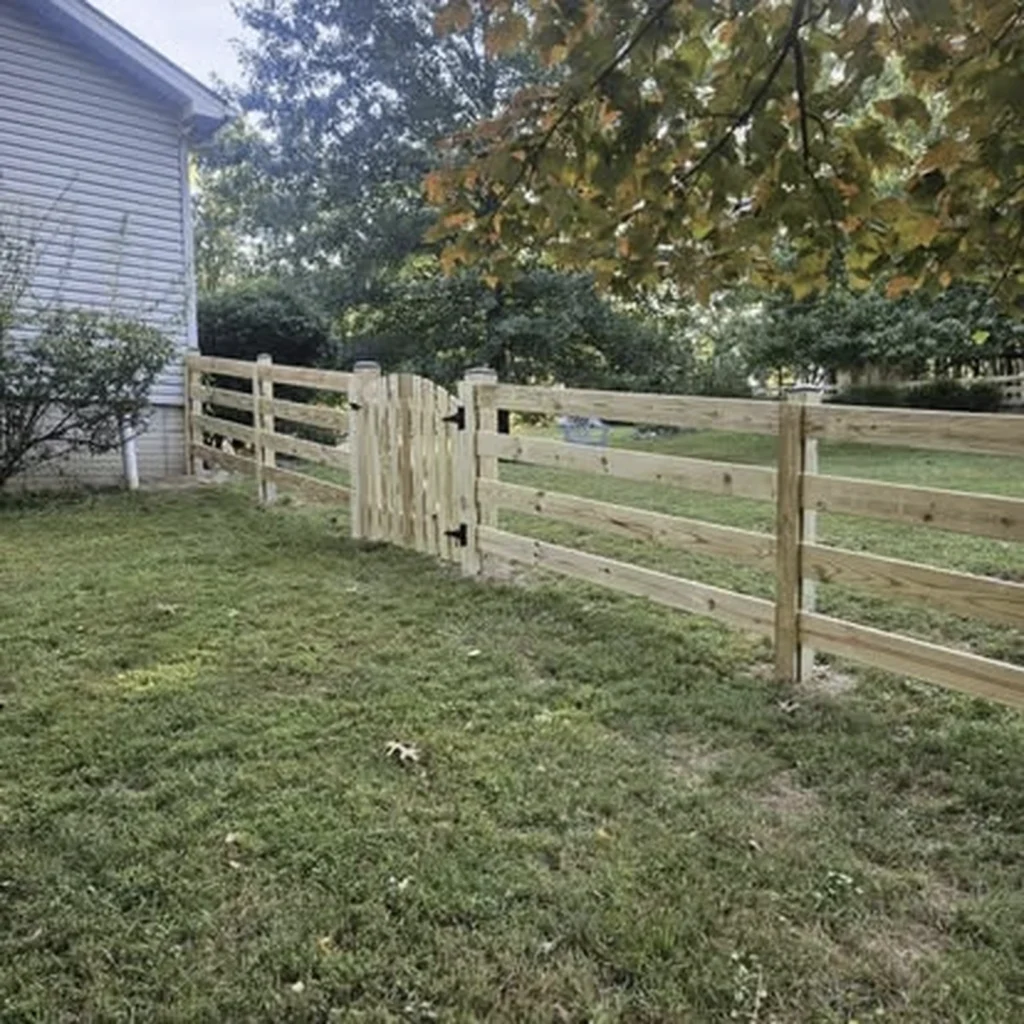
Wood wins on warmth and character. It takes any stain color, weathers into a natural silver if you let it, and suits the historic feel that defines so many Winchester streets. If your home sits in an older neighborhood or you simply love natural texture, wood is hard to beat. Privacy is excellent with board on board or stockade styles, and wood adapts easily on sloped Winchester lots since pickets can step and rack with the grade.
Vinyl delivers a crisp, uniform look that stays exactly the same color in year ten as it did on day one. Modern lines include textured wood grain finishes and tans and grays beyond basic white. Check your HOA guidelines before deciding, since some Winchester area communities specify materials, colors, or maximum heights for perimeter fencing.
Lifespan and durability in Valley weather
A well built, well maintained wood fence in our climate typically lasts fifteen to twenty years, with posts usually failing before pickets do. Skipping maintenance can cut that dramatically, while diligent care can stretch it further. Wood also shrugs off small impacts, and any single damaged board is a cheap, easy fix.
Quality vinyl routinely lasts twenty five to thirty years or more, and better manufacturers back it with lifetime limited warranties. It never rots and insects ignore it, both real advantages in a region with plenty of rain and termites. Either material, installed with posts set below the frost line, will hold its line through Winchester winters.
Bottom Line
Choose wood for lower initial cost and timeless character with a maintenance routine attached, or choose vinyl for a higher initial price that buys decades of nearly effortless privacy. Budget, patience, and how long you will own the home should settle the debate. If you are still torn, Winchester Fence installs both and can price your yard both ways in a single visit, so you can compare real numbers instead of averages.
Related reading: our vinyl fence services, Best Time of Year to Install a Fence in Winchester VA