Property Line Etiquette: What to Do Before You Build a Fence
Fences do not start neighbor disputes. Assumptions do. Nearly every fence line argument we have ever seen around Winchester began with somebody being sure they knew where the line was, and being sure turned out to be about eighteen inches off.
The fix costs a fraction of the fence and takes a week: confirm the line, have one friendly conversation, and make a couple of small decisions deliberately. Here is the etiquette, written down, so your new fence improves two properties instead of straining one relationship.
Do you need a survey before building a fence?
If you are not completely certain where your property line sits, yes. A residential survey around Winchester typically costs a few hundred dollars, while moving a fence built on the neighbor’s land costs the fence. Plat maps and GIS parcel viewers help you estimate, but only a licensed surveyor’s stakes settle the question.
Sometimes the evidence already exists: original survey pins at the corners, a recent survey from your closing paperwork, or a neighbor’s survey that marked the shared line. Finding two pins with a metal detector and matching them to your plat can be enough for a confident build. When pins are missing, bent, or contradict the fence next door, stop guessing and book the surveyor.
Talk to your neighbor before the posts arrive
Nothing in Winchester or Frederick County requires you to notify a neighbor before fencing your own land. Do it anyway. A five minute front porch conversation, here is what we are planning, here is the height and style, the crew will be here Tuesday, converts a potential objector into a spectator, and occasionally into a partner who has been wanting a fence too.
That conversation also surfaces problems while they are still cheap. The neighbor may know where the old pins are, may mention the drainage path that crosses the corner, or may point out that their shed eave overhangs the line. Every one of those is a footnote before the build and a headache after it. Lead with courtesy and the fence starts its life as a good neighbor.
Where exactly should the fence sit
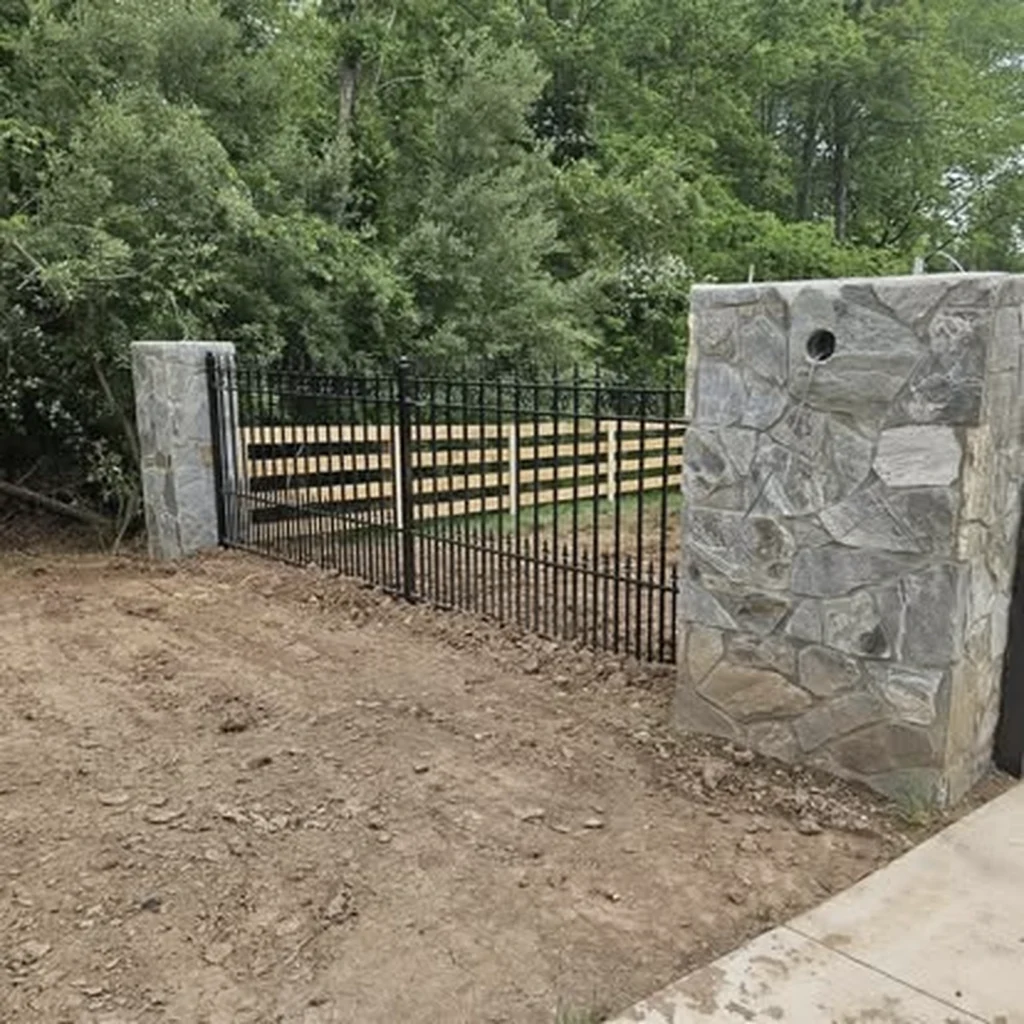
Building tight to the line maximizes your yard, but many owners deliberately set the fence a few inches inside it. That margin removes all doubt about whose fence it is, keeps concrete footings clear of the neighbor’s soil, and leaves you standing on your own property when you stain or repair the outside face later.
Setting in does not mean surrendering land: the strip beyond the fence remains yours, though you should plan to maintain it so it does not become no man’s land. Whatever you choose, mark the decision on the layout with your installer and keep your survey with the fence paperwork. Virginia’s shared fence obligations are largely a livestock and agricultural matter, so on a residential lot, expect the fence you build to be yours alone: your cost, your fence, your maintenance.
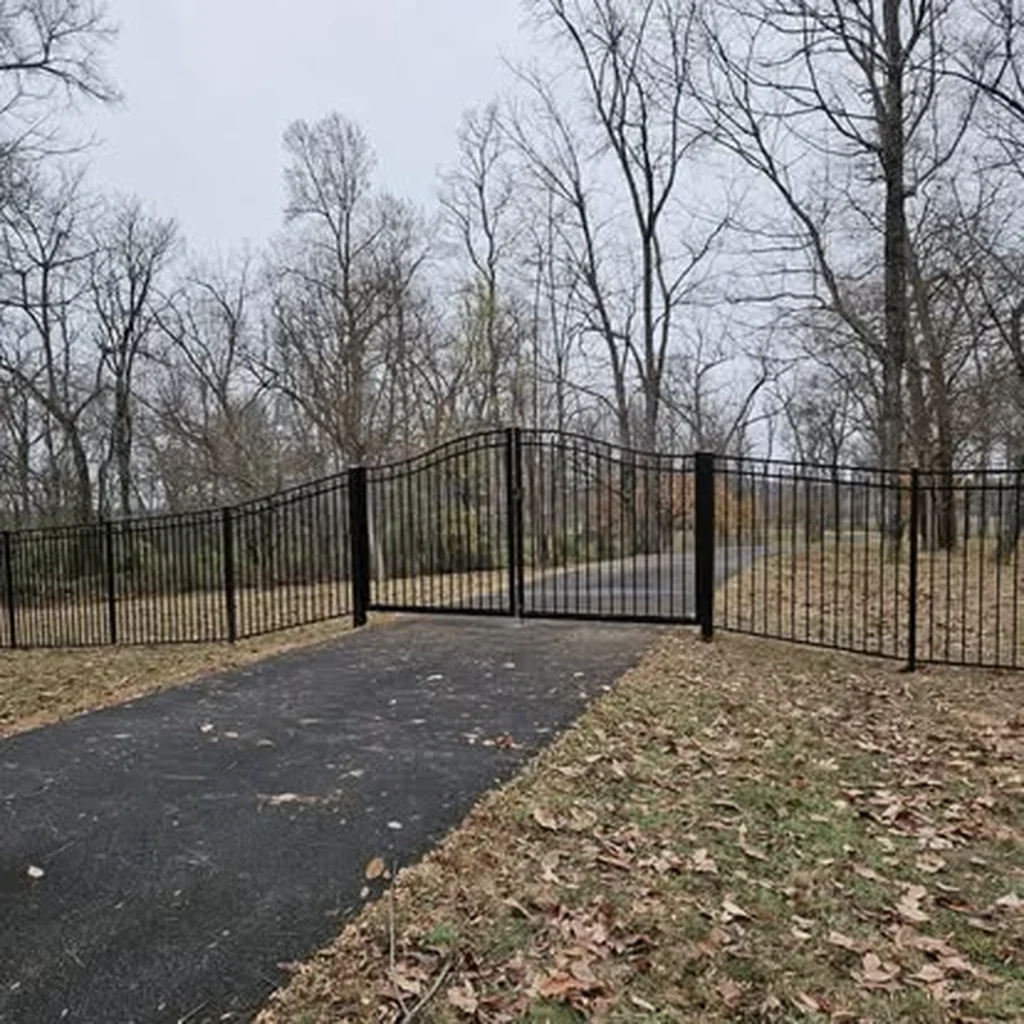
Good side out and the other unwritten rules
Wood and vinyl fences have a finished face and a structural face, and longstanding custom says the finished side faces the neighbor and the street. Plenty of HOAs write that custom into the covenants. Beyond looks, rails and posts facing outward create a ladder anyone can climb, which is its own reason to keep the smooth side out.
The rest of the etiquette list is short and worth honoring. Keep posts and concrete entirely on your side. Do not attach anything to a fence you did not build, and do not paint your side of the neighbor’s fence without asking. During construction, keep crews, spoil piles, and material staging off the neighbor’s lawn. Small courtesies, long memories.
Old fences lie about old lines
The most dangerous assumption in fencing is that the existing fence marks the boundary. Old fences drift from surveys constantly: a previous owner eyeballed it, followed a tree line, or deliberately set in from the line decades ago. Replacing an old fence exactly where it stood feels safe and sometimes quietly repeats a forty year old mistake.
When we replace a fence near a boundary, we compare the old line against pins or a survey before setting new posts, and the check regularly finds a surprise. It is far easier to correct the line during a replacement, with the neighbor informed and nodding, than to discover the error when one of the properties sells and a closing survey lights it up.
Bottom Line
Confirm the line, say hello before you dig, decide deliberately whether to build on it or inside it, and give the neighborhood your good side. That is the entire etiquette, and it costs almost nothing. Winchester Fence checks pins, reads plats, and walks the line with you on every boundary build around Winchester, because the best fence projects end with two happy households, and that outcome is built before the first post hole.
Related reading: our fence installation services, Fence Gate Options and Automation for Winchester Homes, Building a Fence on a Slope: How Winchester Yards Get It Right