Fence Height Rules and HOA Basics for Winchester Homeowners
The fastest way to ruin a fence project is to build it twice. Every year somebody in the Winchester area puts up a beautiful fence, then gets a letter from the zoning office or the HOA explaining why part of it has to come down.
None of that is bad luck. It is skipped homework, and the homework takes an afternoon. Here is how height rules, corner lot restrictions, and HOA approvals actually work around here, in the order you should tackle them.
How tall can a fence be in Winchester VA?
Most residential lots around Winchester allow fences up to 6 feet in side and rear yards and roughly 4 feet in front yards, with tighter rules near corners and intersections. Exact limits vary by zoning district, and HOA covenants can be stricter than the city, so confirm both in writing before ordering materials.
Treat those numbers as the common pattern, not a promise about your parcel. A five minute call to the zoning office, city of Winchester or Frederick County depending on your address, gets you the real figures for your district, and it is the single cheapest step in the entire project.
Front yards play by stricter rules
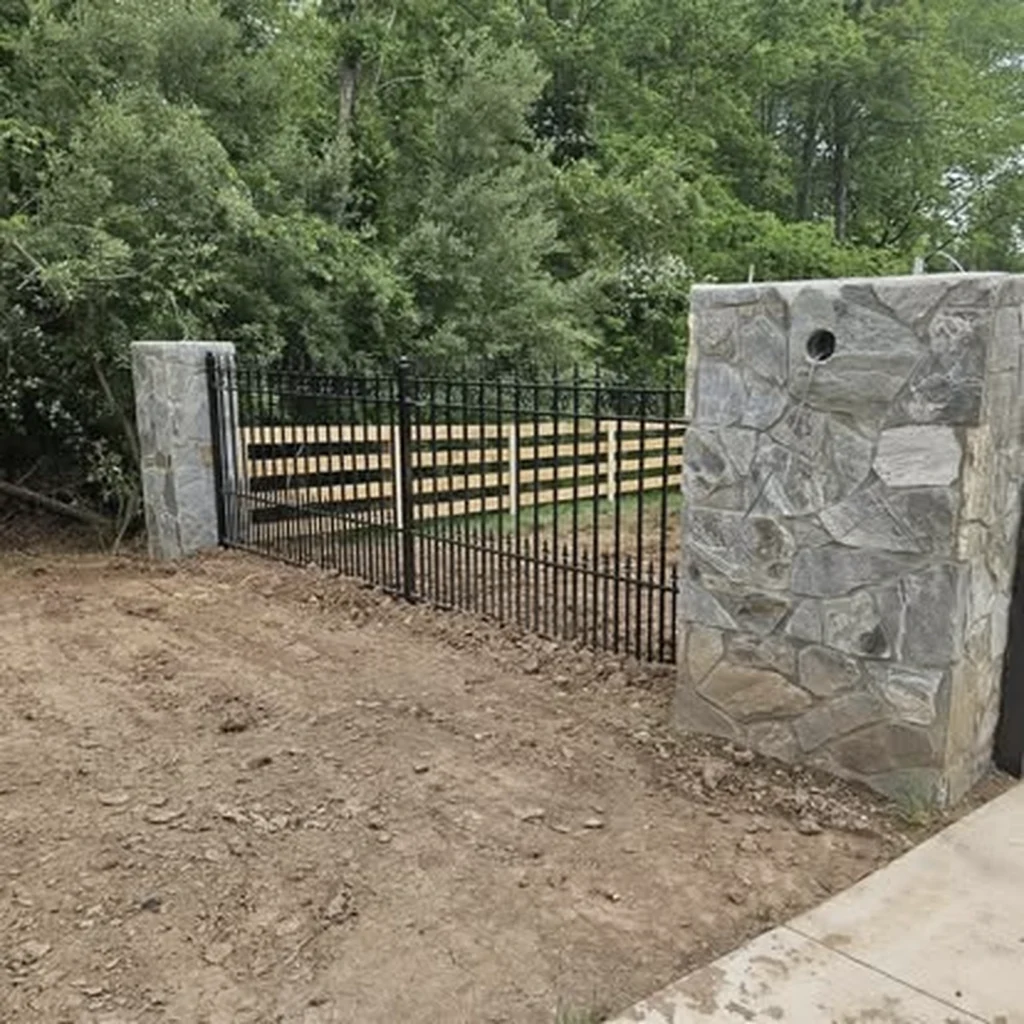
Nearly every locality treats the front yard differently, and for good reason: tall solid fencing along the street changes the feel of a neighborhood and blocks visibility for drivers backing out. That is why front yard limits usually sit around 4 feet, and why many districts prefer open styles like picket or ornamental aluminum out front rather than solid privacy panels.
The front yard is often defined by the house line, not the porch or the sidewalk, so a fence wrapping a corner of the house can cross from backyard rules into front yard rules mid run. A good installer plans the height transition into the design, stepping from 6 foot privacy down to 4 foot picket at the right post, so the whole thing looks intentional instead of chopped.
Corner lots and sight triangles
Corner lots carry one extra rule that surprises people: the sight triangle. Where two streets meet, and where driveways meet the street, drivers need a clear view, so zoning limits fence height and sometimes plantings within a set distance of the intersection. Build a solid 6 footer through that triangle and you will hear about it, usually quickly.
If you own a corner lot, sketch your plan and ask zoning specifically about the sight triangle before finalizing the layout. Often the fix is simple: pull the fence line back a few feet, drop the height near the corner, or switch that stretch to an open style you can see through. Solving it on paper costs nothing.
How HOA approval actually works
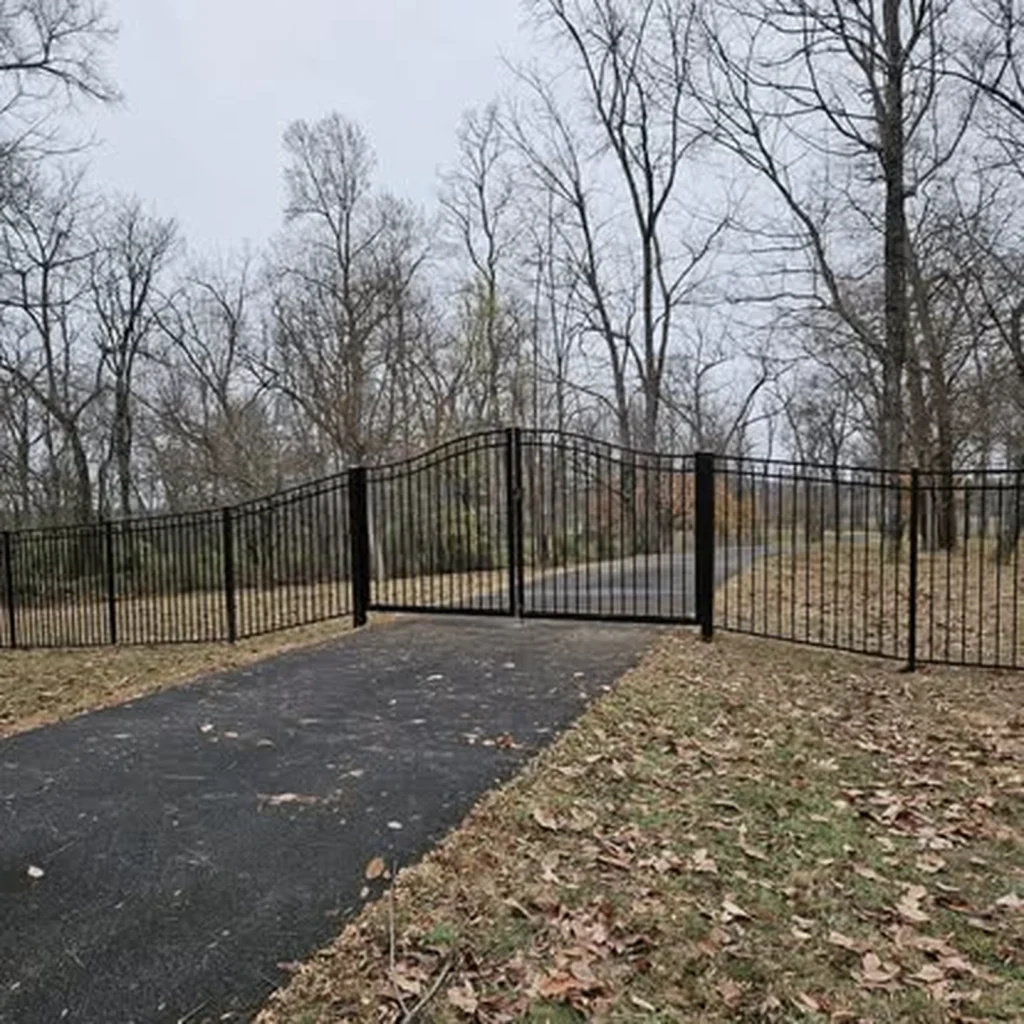
If your neighborhood has an HOA, the covenants apply on top of city and county rules, and they are usually the stricter layer. Most Winchester area HOAs require an architectural review application before any fence goes in: a site plan showing the fence line, the height, the material, the color, and sometimes a photo of the style. Approval comes back in days in some communities and a full board cycle in others.
Two habits keep this painless. First, never let anyone talk you into building while approval is pending, because boards can and do make people remove unapproved fences. Second, get the approval in writing and keep it with your closing documents. We handle the drawings and specs for these applications all the time, and a clean packet is most of the battle.
Permits, utility marks, and who handles them
Virginia’s building code generally exempts residential fences up to 7 feet from a building permit, which covers nearly every backyard fence we build. That exemption does not touch zoning, though: height limits, setbacks, and sight triangles still apply, and some situations, like retaining walls under a fence line or pool barriers, bring their own requirements.
The other must, every time, is the utility locate. Virginia 811 marks buried gas, power, and communication lines free of charge, and post holes go deep enough to find all of them. A professional installer calls in the locate, verifies the marks against the layout, and adjusts post spacing when a line runs exactly where a post wanted to go. If your contractor shrugs at any of this paperwork, find a different contractor.
Bottom Line
Confirm your district’s height limits, respect the front yard and corner rules, get HOA approval in writing, and let 811 mark the lines before anyone digs. Do that and your fence goes up once, legally, and stays up. Winchester Fence handles the measurements, drawings, and rule checks as part of every quote around Winchester and Frederick County, so if you would rather skip the homework entirely, we already know the assignments.
Related reading: our fence installation services