Aluminum vs Wrought Iron: Getting the Classic Metal Fence Look
Walk through Old Town Winchester and the metal fences do a lot of the charm: slender black pickets, finials, scrollwork guarding brick walkways that have been there two centuries. When homeowners call asking for a wrought iron fence, that picture is usually what they mean.
Here is the industry’s quiet secret: most of the new iron fences you admire are not iron at all. They are aluminum, engineered to wear the same look without the rust. Whether that substitution is right for your home is the real question, and it has an honest answer.
Is aluminum or wrought iron fencing better?
Aluminum delivers the classic metal picket look at a fraction of the cost, never rusts, and needs essentially no maintenance, which is why the vast majority of new metal fences around Winchester are aluminum. True wrought iron wins on strength, heft, and historical authenticity, but demands rust upkeep, a larger budget, and often custom fabrication.
For most homes, aluminum is simply the smarter buy. The cases where iron earns its premium are real but specific: historic properties where authenticity matters, high security applications, and custom artistic work no extrusion catalog can match. Everything below is the detail behind that verdict.
Cost: a wide gap on day one and beyond
Ornamental aluminum typically installs in the same range as nice vinyl, which surprises people expecting metal to break the budget. Wrought iron plays in a different league entirely, often two to three times the price of comparable aluminum, because you are buying heavy material, skilled fabrication, and slower installation. Add custom scrollwork and the gap widens further.
The maintenance ledger tilts the same direction. Aluminum’s powder coated finish asks for a rinse and an occasional inspection. Iron asks for vigilance: touching up chips, sanding rust blooms, and repainting on a cycle, either your weekends or a painter’s invoice. Over twenty years, an iron fence quietly costs a second fence in upkeep. Priced over its lifetime, aluminum is not just cheaper, it is dramatically cheaper.
Rust and upkeep in Valley weather
Iron and water have a relationship, and Winchester weather officiates it. Humid summers, snow piled against pickets, and freeze and thaw cycles all find every chip in an iron fence’s paint, and rust never announces itself politely. A well maintained iron fence can outlive its owner, but well maintained is the load bearing phrase. Neglected iron pits, flakes, and eventually fails at the welds.
Aluminum opts out of that entire story. It does not rust, period, and modern powder coating resists chalking and fading for decades, which is why manufacturers back it with lifetime warranties. The honest weaknesses are different: aluminum dents where iron shrugs, and a mower strike or a falling limb can bend a picket. The consolation is that repairs mean swapping a panel, not firing up a welder.
Looks: can you actually tell the difference?
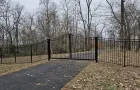
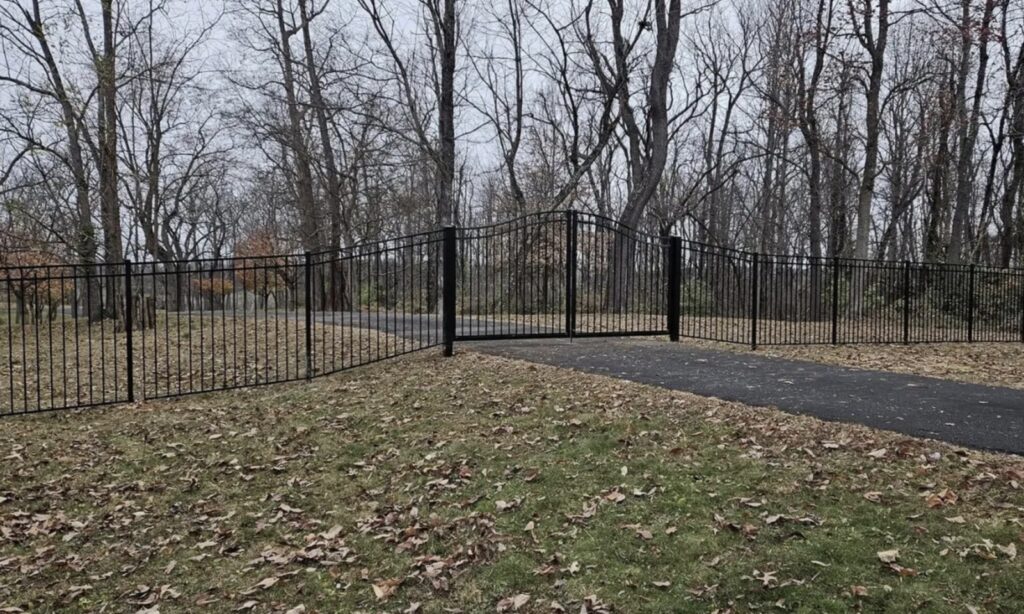
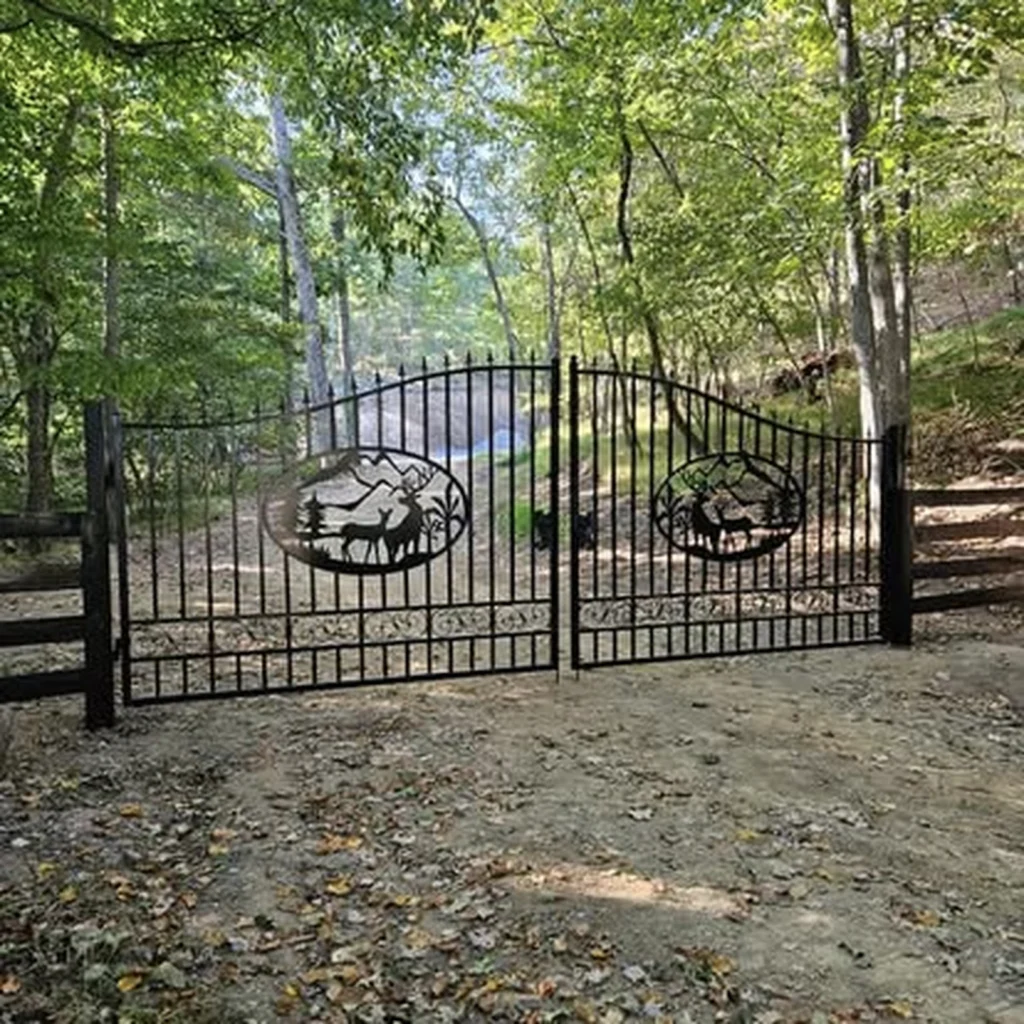
From the sidewalk, rarely. Modern aluminum comes in the same matte and gloss blacks, the same picket profiles, spear tops, rings, and finials, and the better lines add thicker rails that read convincingly as iron. Winchester HOAs approve them interchangeably, and resale photos flatter both identically. For the standard ornamental look, aluminum passes the eye test at any normal distance.
Up close, iron still owns a few tells. The heft is visible: pickets feel dense, welds look sculptural, and true hand worked scrollwork has irregularities no extrusion reproduces. On a landmark property or a historic district restoration, those tells matter and may even be required by review boards. On a family yard in a newer neighborhood, they are a premium almost nobody will ever notice.
Strength, security, and repairs
Iron is genuinely stronger. It resists impacts, bending, and determined climbing better than aluminum ever will, which is why commercial security fencing and institutional work still specify steel and iron. If the fence’s job includes stopping vehicles, livestock, or intruders with tools, weight wins the argument.
Residential jobs rarely ask for that. Keeping kids and dogs in, marking the yard elegantly, and meeting pool code are well within aluminum’s abilities, and aluminum’s pool friendly styles with self closing gate hardware make it the default choice around water. Repairs favor aluminum decisively: panels unbolt and replace in an afternoon with a perfect factory color match, while iron repairs mean welding and blending paint. Either material, on proper footings, will hold its line through decades of Valley winters.
Bottom Line
Buy aluminum for the look, the price, and the freedom from rust. Buy wrought iron when authenticity, artistry, or serious security genuinely justify the premium and the upkeep. Both wear the classic black picket beautifully. Winchester Fence installs ornamental aluminum across Winchester and can price the comparison for your yard in one visit, so you can see exactly what the iron look costs with and without the iron.
Related reading: our aluminum fence services, Building a Fence on a Slope: How Winchester Yards Get It Right, Property Line Etiquette: What to Do Before You Build a Fence