Fence Gate Options and Automation for Winchester Homes
Nobody touches their fence every day. Everybody touches their gate. It is the one moving part in the whole project, the part that carries the trash cans through, lets the mower out, and gets slammed by every kid and gust of wind for the next twenty years.
That is why gates deserve more planning than they usually get. A fence quote that treats the gate as an afterthought is quoting you a future annoyance. Here are the options worth knowing, from a simple walk gate to a driveway that opens itself.
What gate options do you have for a new fence?
Three tiers cover almost every home: walk gates for daily foot traffic, double drive gates for mowers, trailers, and the occasional truck, and automated driveway gates with openers, keypads, and remotes. Match the gate material to the fence, then invest in framing and hardware, because the gate works harder than any panel in the run.
The right question is not which gate but how many and where. Most Winchester yards are happiest with two walk gates on opposite sides of the house plus one wide access gate to the backyard, and homeowners who skip that wide gate usually regret it the first time a shed, a hot tub, or a skid steer needs to get back there.
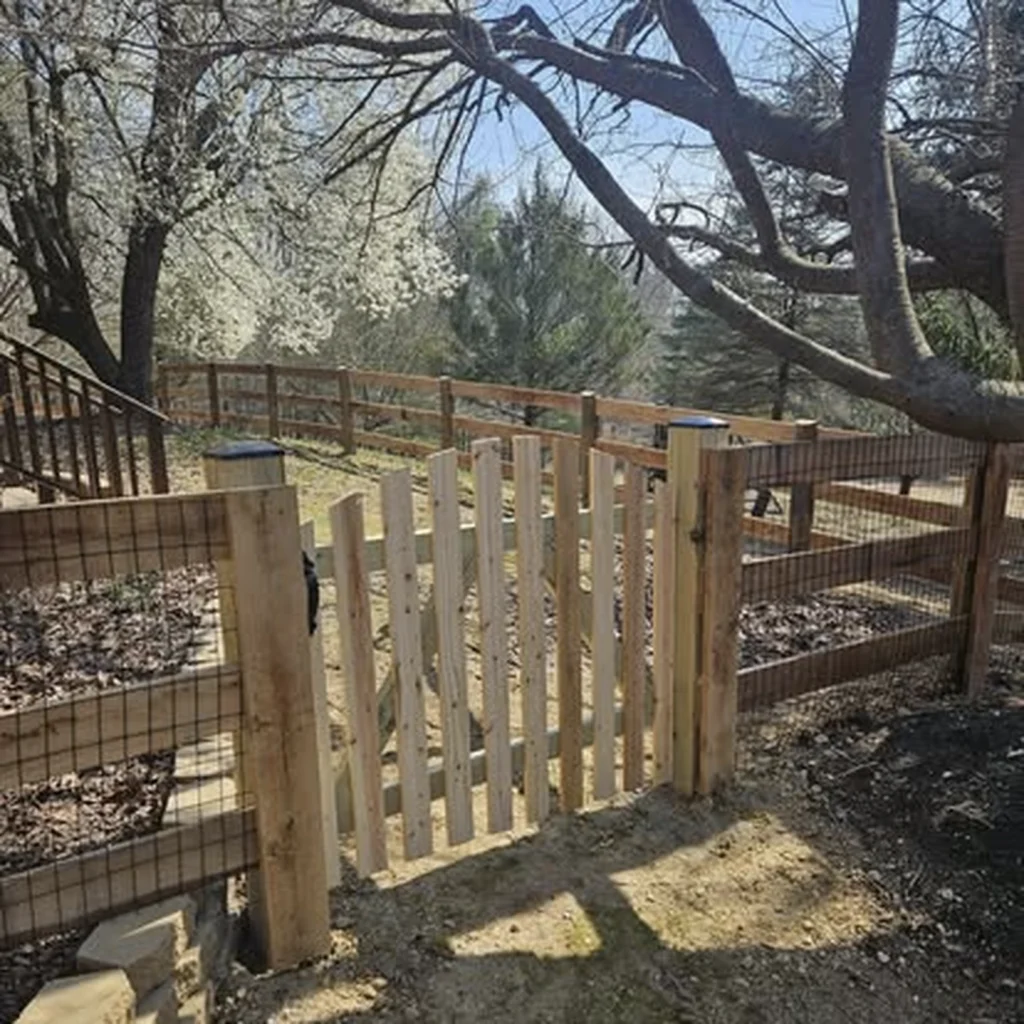
Walk gates: the small door you use every day
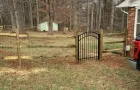
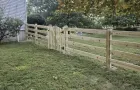
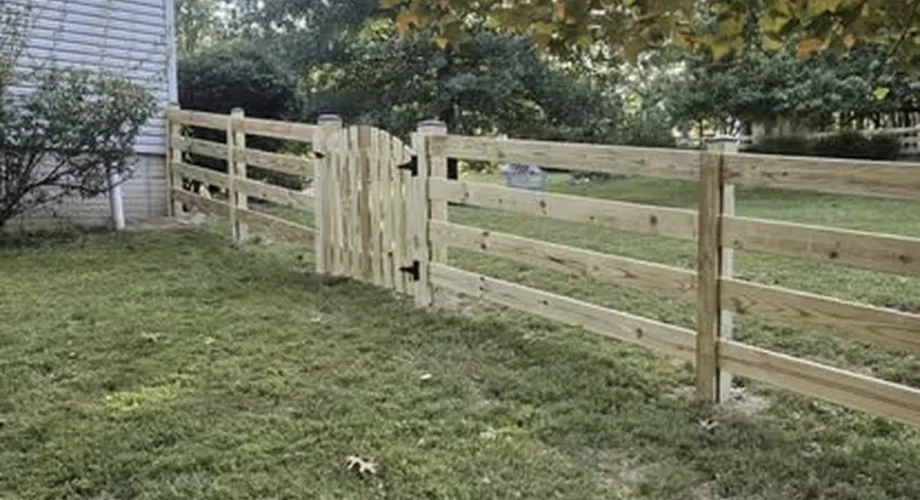
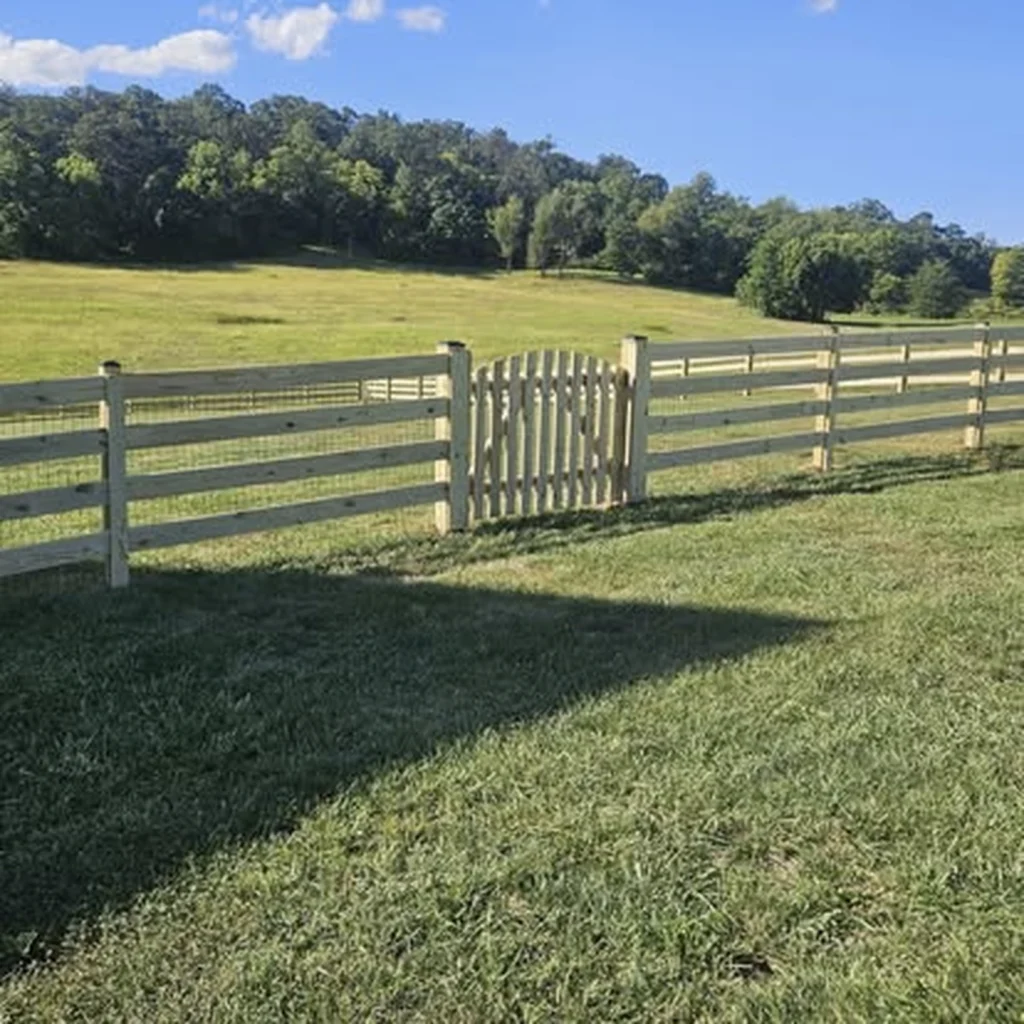
A walk gate looks simple, but a few decisions on installation day decide how it feels for decades. Width is first: 4 feet passes a wheelbarrow and most riding mowers, while a bare 3 foot gate fights you forever. Swing direction is second, into the yard and against a fence line, so wind and gravity work with the latch instead of against it.
Quality shows in the frame. Wood gates want a rigid frame or a steel gate kit to resist sagging, vinyl gates need internal reinforcement, and aluminum gates come welded and basically maintenance free. Latches deserve one deliberate choice too: lockable, gloved hand friendly, and reachable from both sides. For pool areas, self closing hinges and a high latch are code, not a preference.
Drive gates: swing or slide
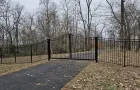
For driveway and backyard access, double swing gates are the default: two leaves totaling 10 to 16 feet, meeting in the middle with a drop rod anchoring one side. They are economical and look right on nearly any fence style. Their one demand is clear, relatively level space to swing through, which most driveways have and some sloped ones do not.
Where slope or parking kills the swing, a slide gate solves it by rolling parallel to the fence line instead. The tradeoff is run space: a 12 foot opening needs roughly that much clear fence line for the gate to slide along. Slide gates also pair beautifully with automation, which is exactly where a lot of Winchester rural driveways and small business yards end up.
Automation: openers, keypads, and power
A gate opener turns the driveway gate from a chore into a convenience, and the technology has gotten genuinely good. Swing arm operators handle residential double gates, slide operators handle rolling gates, and both take commands from remotes, keypads, smartphone apps, and vehicle sensors. Out on rural properties around Frederick County, solar powered operators free you from trenching electric to a distant gate entirely.
Two planning notes keep automated projects smooth. First, power and safety: hardwired operators need a proper circuit run, and every modern operator needs its safety features, obstruction sensing and photo eyes, installed and actually working, especially with kids and pets around. Second, structure: an automated gate hangs on serious posts, steel set deep in concrete below frost depth, because the operator multiplies every force the gate ever sees.
Hardware that outlasts the fence
Gates fail at the hardware long before the material gives up, so this is the place to spend. Adjustable hinges let a gate be tuned back to square after seasons of Valley freeze and thaw instead of being shimmed with scrap wood. Stainless and hot dipped galvanized hardware shrugs off rust, while bargain zinc plated pieces streak and seize within a few years.
The other unsung hero is the gate post. It carries all the weight and all the leverage, so it should be a size up from the line posts, set deeper, in more concrete. Nearly every leaning gate we repair around Winchester traces back to a gate post set like an ordinary line post. Build the post right and the gate you buy today still swings true when the kids are grown.
Bottom Line
Two walk gates, one wide access gate, swing or slide for the driveway, and automation wherever convenience earns it. Then spend where the stress lives: frames, hinges, latches, and gate posts. Winchester Fence builds and automates gates across Winchester and the surrounding counties, on new fences and existing ones, and we will happily tune the gate plan to how your family actually moves through the yard.
Related reading: our fence installation services, Pool Fence Code in Virginia: What Winchester Homeowners Need to Know, Farm and Horse Fencing Around Winchester: Options That Hold