How to Maintain a Wood Privacy Fence Year Round
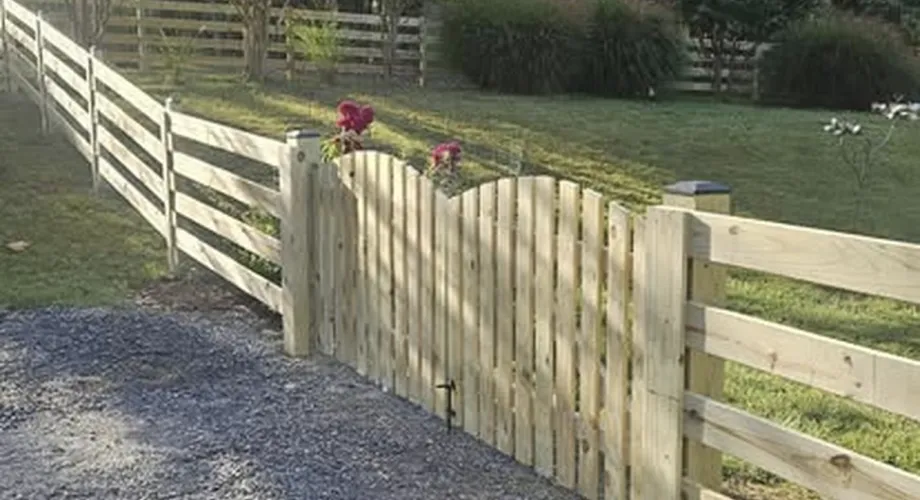
A wood privacy fence gives a Winchester backyard instant seclusion, security, and a warm, finished look that vinyl never quite matches. The tradeoff is that wood is a natural material, and Shenandoah Valley weather works on it in every season: humid summers, soggy springs, and winters that swing above and below freezing in the same week.
The good news is that keeping a wood fence healthy is neither complicated nor expensive. A few simple habits, timed to the right seasons, will keep your pickets straight, your posts solid, and your color rich for a couple of decades.
How do you maintain a wood privacy fence year round?
Wash the fence once a year, restain or reseal it every two to three years, and handle small repairs like popped nails and leaning posts the same week you notice them. Just as important, keep soil, mulch, and sprinkler spray off the boards so the wood can dry out fully between rains. Those habits do more for fence life than any miracle product on the shelf.
The rest comes down to rhythm. Each season in Winchester asks something slightly different of a wood fence, so the easiest approach is a short checklist you repeat every year.
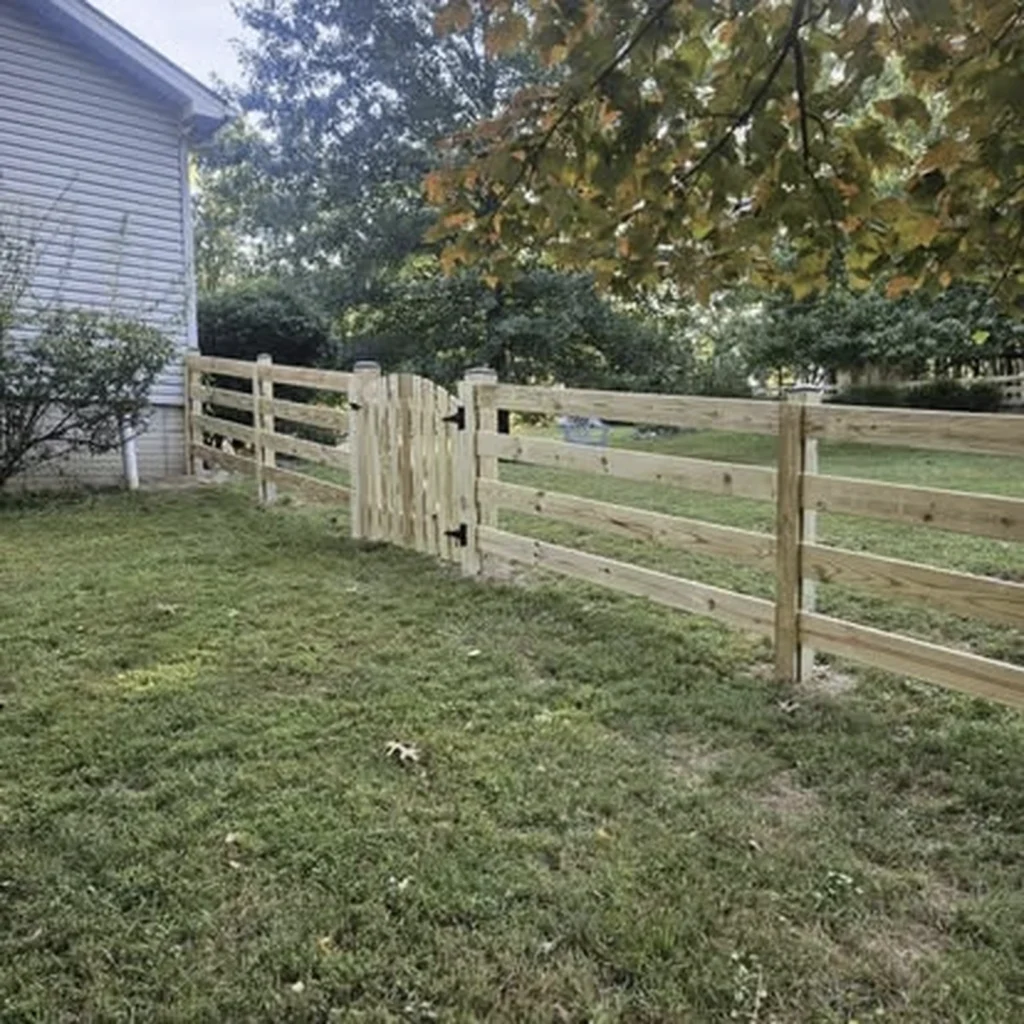
Spring: inspect, wash, and repair after winter
Once the last hard freeze passes, walk the full fence line slowly. Push gently on each post to feel for movement, look for boards that popped loose during freeze and thaw cycles, and check hinges, latches, and screws for rust. Winchester winters are hard on fasteners, and a five minute fix in April prevents a sagging gate by July.
Spring is also wash season. Shaded stretches, especially north facing runs, collect green algae and mildew over winter. A garden sprayer with a mild fence cleaner and a soft brush handles most of it. If you use a pressure washer, keep the pressure low and the wand moving, because high pressure carves grooves into softened wood grain.
Summer: stain and seal while the wood is dry
Mid to late summer is the ideal sealing window in our area because the wood finally dries out from spring rain. Test yours by sprinkling water on a board: if it soaks in within a minute or two, the fence is ready to accept stain. If it beads up, your old finish is still working and you can wait another season.
Most homeowners here get the best results from a semi transparent stain with UV protection, which colors the wood while letting grain show through. Pick a stretch with two rain free days, cover plants at the base, and work top to bottom. Plan on repeating this every two to three years, sooner on fences that take full afternoon sun.
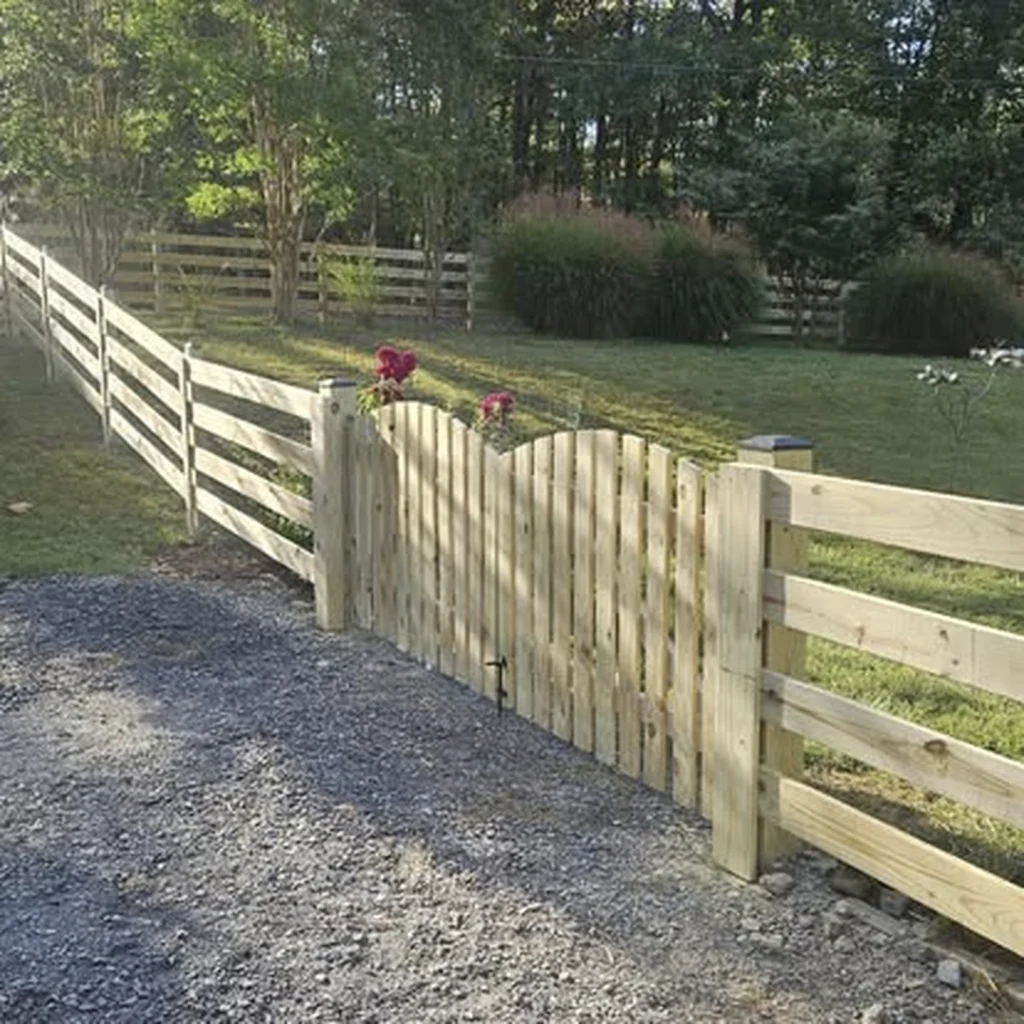
Fall and winter: control moisture before it controls you
Moisture at the base of the fence is the number one killer of wood pickets and posts. Each fall, rake leaves away from the fence line, pull mulch back a few inches, and trim shrubs and vines so there is about a foot of breathing room. Check where downspouts and roof runoff land, because a fence that gets splashed every storm rots years earlier than the rest of the run.
In winter, avoid piling shoveled snow against the boards, and be careful with ice melt near posts, since heavy salt exposure is rough on both wood fibers and concrete footers. On mild days, glance down the line from the corner of the yard. A post that starts leaning in January is far easier to fix before spring winds push it further.
Small repairs that prevent big bills
A warped or cracked picket costs just a few dollars and ten minutes to swap, and doing it promptly keeps neighboring boards from twisting to follow it. Gate sag is usually solved with a simple brace kit rather than a rebuild. Rusted hardware should be replaced with exterior grade screws and hinges, not tightened and forgotten.
Leaning posts deserve the most urgency. A single loose post drags entire panels out of line and multiplies the repair cost every month it waits. If you find soft, spongy wood at ground level, that section is telling you rot has started, and replacing one post now beats replacing a whole run later.
Bottom Line
A wood privacy fence in Winchester can easily last fifteen to twenty years or more with an annual wash, a stain cycle every two or three years, and quick attention to small repairs. Moisture control at the base of the fence matters as much as anything you put on the boards. If a section is past saving, or you would rather hand off the ladder work, Winchester Fence can repair, replace, or restain your fence and get it ready for another decade of backyard weekends.
Related reading: How Much Does Fence Installation Cost in Winchester VA, How to Choose a Fence Contractor in Winchester VA